
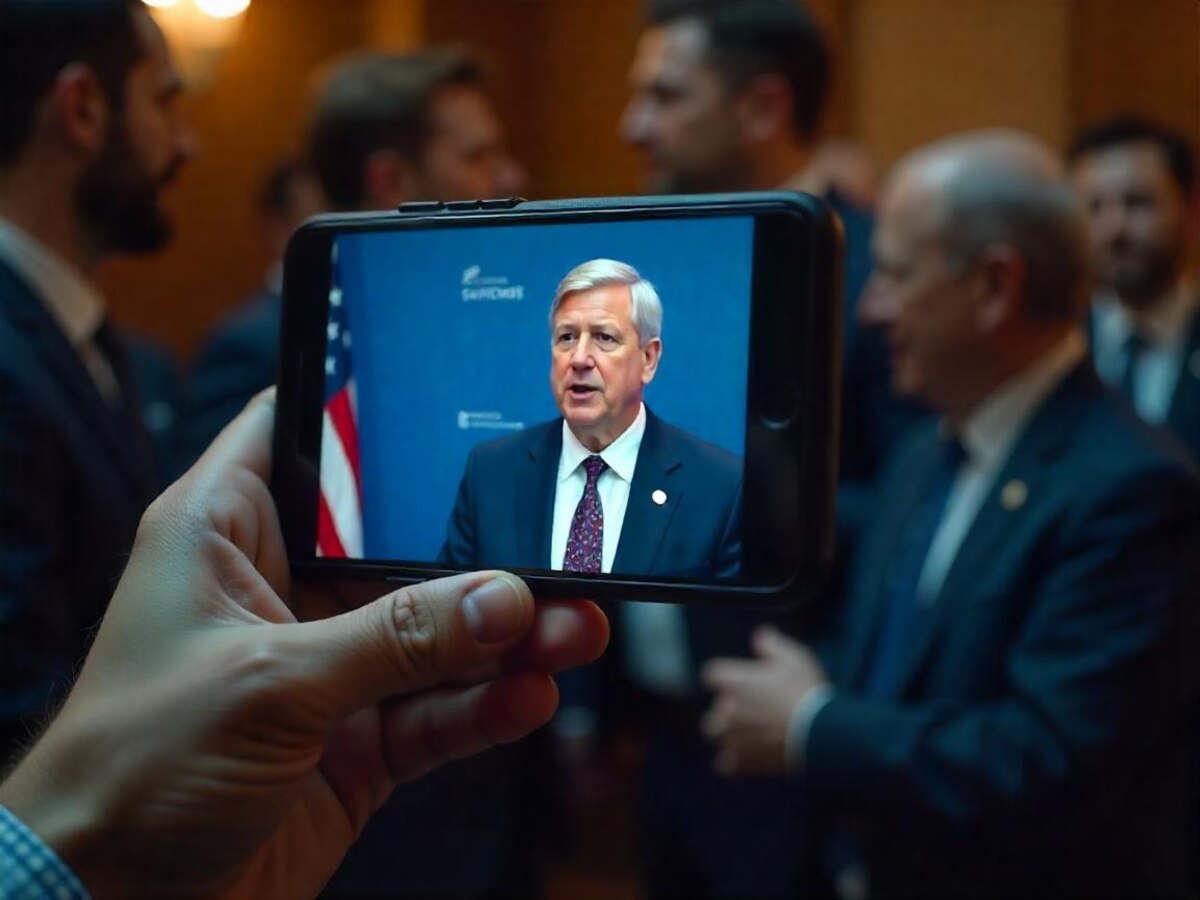
The Digital Mirage: When Seeing Isn’t Believing Anymore
During election seasons one might see candidates exposing themselves through completely inaccurate and inflammatory footage while browsing their social media feed. The video delivers a realistic perception which spreads through online networks in under a minute. Only… it never actually happened. The worrisome situation that deepfakes present exists during contemporary times.
Deepfake technology which used to occupy only science fiction thrillers has experienced explosive progress since its inception. The experimental limitations of synthetic media no longer apply because it has crossed the line into dangerous political manipulation. Technical innovations are not evil by nature yet their improper utilization especially when targeting elections produces disastrous effects. The artificial intelligence technology produces virtual faces and voices that blend perfectly with natural features so political responsibility faces complete endangerment. When voters lack trust in what they encounter through media then democracy becomes impossible to function properly.
This isn’t a theoretical concern. A competition exists to turn deepfakes into weapons for political exploitation at a crucial time when democratic processes face severe threats.
Deepfakes Tech: The AI Behind the Curtain
Let’s break it down. Two neural networks called Generative Adversarial Networks (GANs) enable Deepfakes to operate through an intense game of false information detection. The first network in this system produces false content and the second one works to discover authentication issues. The system develops its techniques through time to generate results with greater realism. The combination of these events resulted in videos showing Obama using offensive language about Trump and Mark Zuckerberg bragging about controlling user data even though these clips both spread widely on social media.
Open access to this technology functions as an essential element of the underlying issue. DeepFaceLab and Reface provide users access to open-source tools that let them execute deepfake tasks that previously needed high-end GPU rigs and advanced programming capabilities. Deepfake content has expanded by 900% per MIT’s Technology Review analysis between 2022 and 2024 according to their findings that relate to inexpensive popular tools. Political trolls who want to create fake news no longer need personal computers because TikTok clone Zao and other deepfake-grade software now sits within their mobile interface.
The digital spread of falsehoods supersedes factual accuracy due to which this technology creates an imminent threat to political discussions.
The Real Applications of Deepfakes Merge Fact with Fiction
The notorious example of political deepfake appeared during 2020. A manipulated video created the illusion of U.S. House Speaker Nancy Pelosi speaking with garbled speech while giving a speech to the public. Facebook viewers watched the doctored Pelosi clip accumulate multiple million views until Facebook removed it from publication. After the damage occurred the matter could not be undone. Both political perceptions and political facts endure longer than actual information in the political field.
Network hackers released a manipulated video which depicted Ukrainian President Volodymyr Zelenskyy as he supposedly surrendered to Russian military during the Russia-Ukraine conflict in 2023. Multiple Telegram groups along with fringe news sites spread the video which turned out to be fake knowledge despite expert refutations. According to cybersecurity expert Dmitri Alperovitch in his interview with Politico he stated that a profoundly affecting deepfake video could easily destroy a complete political narrative.
India wasn’t spared either. False videos featuring both Bharatiya Janata Party (BJP) and Indian National Congress candidates emerged throughout the 2024 general elections on the WhatsApp messaging platform. Satire and sabotage merged together in numerous posts especially in areas with low media literacy rates since many postings simultaneously functioned as humorous parodies.
The transmission speed of these fabricated materials during content propagation remains what truly scares readers. Retractions in our present day fail to reach half the audience that the initial misinformation reaches.
The Ethics Maze: Misinformation, Manipulation & Media Fatigue
Let’s talk morality. The philosophical dilemma here shows deepfakes serve artistic and humorous and educational objectives and yet their purpose becomes ambiguous when used against political content. Freedom of speech stands challenged when deceptive synthetic techniques create the content.
Dangerous ethical complications lie ahead. The use of deepfake technology results in destroyed reputations which leads to public unrest that ultimately damages public trust. According to research from the Reuters Institute in 2024 about 62% of world citizens doubt the authenticity of political material they encounter on the internet. As people develop increasing mistrust they enter a state of reality fatigue in which authentic content loses validity to them.
During a Wired interview Dr. Hany Farid the digital forensics expert at UC Berkeley expressed his thoughts bluntly about the situation.
The major threat extends far beyond fraudulent material in fake content. The chilling effect that follows these events results in truth transforming into an indistinguishable blur with false information and fact.
Data gathered from South Africa’s recent elections demonstrates media workers and fact-checkers currently face overwhelming situations when it comes to monitoring information. The current situation reveals our inability to adapt to new challenges because we must identify misused images while dealing with AI-generated false press releases while managing rising doubt from the public about news accuracy.
Regulators vs Reality: Can Policy Catch Up to the Problem?
Some governments deserve appreciation for their attention to the matter. The upcoming AI Act from the European Union contains mandatory transparency instructions which force creators to mark artificial content produced through AI. The U.S. Federal Election Commission faces resistance from political advocacy groups about banning deepfake political advertisements which remain pending for approval since April 2025.
Only half the fight exists through the implementation of standards because enforcement requires additional attention. The battle for tech superiority happens alongside regulation since Microsoft’s Video Authenticator along with Deepware Scanner use artificial intelligence for video manipulation detection yet fall short against emerging technology innovations. In this digital competition bad actors tend to lead with an advantage over their counterparts.
Several experts consider blockchain technology to offer possibilities as a solution framework. Every promotional video from political news broadcast would gain validity through automatic verification and timestamping on blockchain public records. The upcoming U.S. alongside Brazil and Nigeria general elections require a general trust structure similar to this which should be deployed this year.
Effective verification tools do not guarantee public validation because audiences might refuse to check the authenticity of visual content. Every stakeholder should bear responsibility for fighting false videos including social media companies alongside government officials and cultural leaders.
What Now? A Call for Political Media Literacy
So, what can we actually do? Here’s where it gets practical:
Educational media literacy initiatives require permanent placement within academic curricula while also using basic broadcasting systems as well as reaching through internet platforms. The training should teach people both technical knowledge about detecting fake news and skills for reading visual and audio signals effectively.
Activists and politicians need to conduct their media sharing through “verified-only” channels that distribute only approved digitally authenticated content.
News organizations need to implement forensic journalism by combining with AI detection companies to verify footage before going to broadcast.
The platforms need to take significant improvements in their operations. Meta along with TikTok and X promise better moderation yet the actual results show different facts. Their reactions happen only after damage occurs.
Conclusion: In a World of Fabricated Truths, Trust Becomes a Weapon
The global rise of manipulated truth creates trust as an instrument which people can use to defend themselves.
The truth about synthetic content creation destroys shared reality whenever we progress deeper into this artificial content landscape. Video evidence can lose its credibility thus leading to entering the hyperreal state that philosopher Jean Baudrillard identified as a condition where simulated effects overpower genuine facts.
Deepfakes at present have no power to influence electoral results. The deceptive content already impacts what actual discussions develop between people.
The most influential form of political power within AI-generated illusions appears to rest with the power to maintain belief.
The modern world poses an essential dilemma to all of us because we lack certainty about information we witness on a daily basis.