
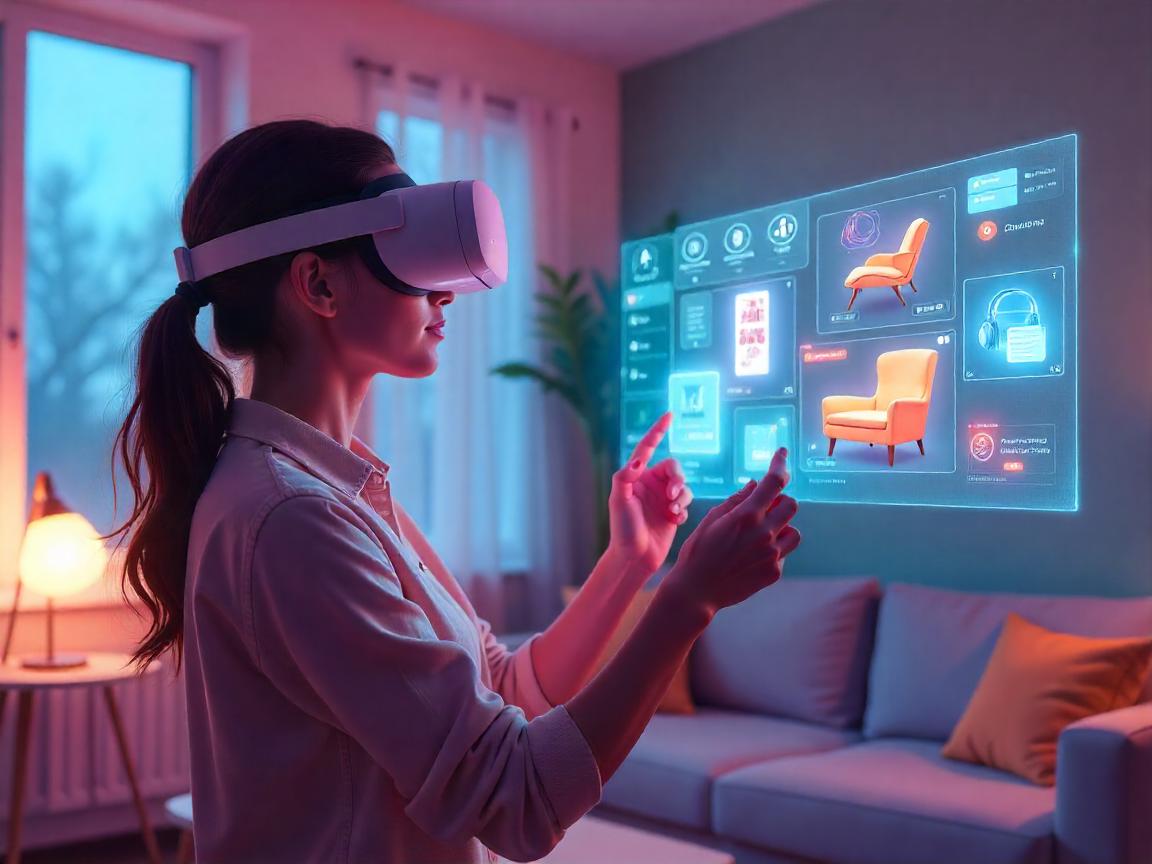
Think of donning a stylish headset and all of a sudden being able to shop in a virtual store, pick out items and watch them placed in your home. In immersive web design, AR and VR are sweeping in to give online users a truly different experience.
Setting the Stage: Why AR and VR Matter
AR and VR technologies are used for many more things than gaming and flashy apps. Using this data is now essential for brands looking to get noticed. Thanks to these technologies, IKEA’s AR and detailed employee training simulations, we are seeing a new approach emerge. Businesses are clearly adopting AR and VR, as this year the worldwide AR and VR market is predicted to exceed $100 billion.
Crafting Interactive Shopping Journeys
Now, a customer can use technology to view how a piece of clothing fits and how glasses will look on them without buying them first. They aren’t just entertaining; they lead to fewer returns and develop real trust. While focused on an item, AR displays information about it and with VR, people can experience viewing products at a store from their couch.
For instance:
- Try virtual makeup within seconds and match your skin tone each time.
- Use interactive apps to place furniture electronically in your own space.
- With VR, you get a close-up look at this year’s latest fashion trends without leaving your home.
Combining AR and VR parts in e-commerce helps brands form ways for customers to look around, not just go through a list.
Shifting the Strategy of Training and Learning
Training and development are another ways AR and VR are being used. Imagine someone working in construction practice safety exercises in a virtual environment that looks completely real — but there are no actual risks. Likewise, medical students could use virtual clinics to run difficult procedures and learn from those mistakes, instead of harming real patients.
Walmart and its peers are already preparing workers by training them with VR simulations that carry no risks. It’s more important than a passing trend; it’s a major change in how we advance at work.
My Experience: Putting a Human Touch on Technology
I have found that what makes it so appealing is the feeling that it’s human among humans. I found that AR shopping came very naturally for me during my first use. It’s quite a personal feeling to see a digital coffee table set up inside your home on your screen. It’s when technology and imagination combine that AR and VR become different from normal web design.
A Bright and Open Future
The main goal of merging AR and VR isn’t to add amazing features, but to make experiences that stay in memory. We are in a position to lead in making the web interactive and full of things people can touch and explore.
Do you realize we can produce such realistic and impressive web sites that people will really notice?